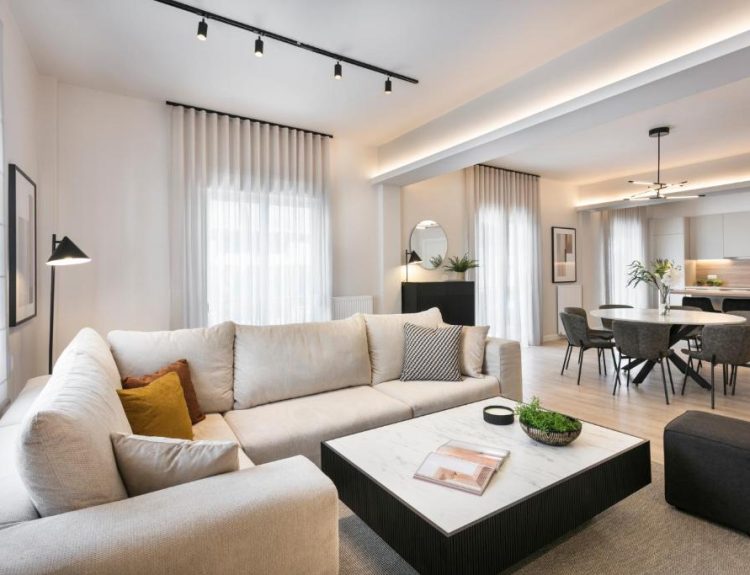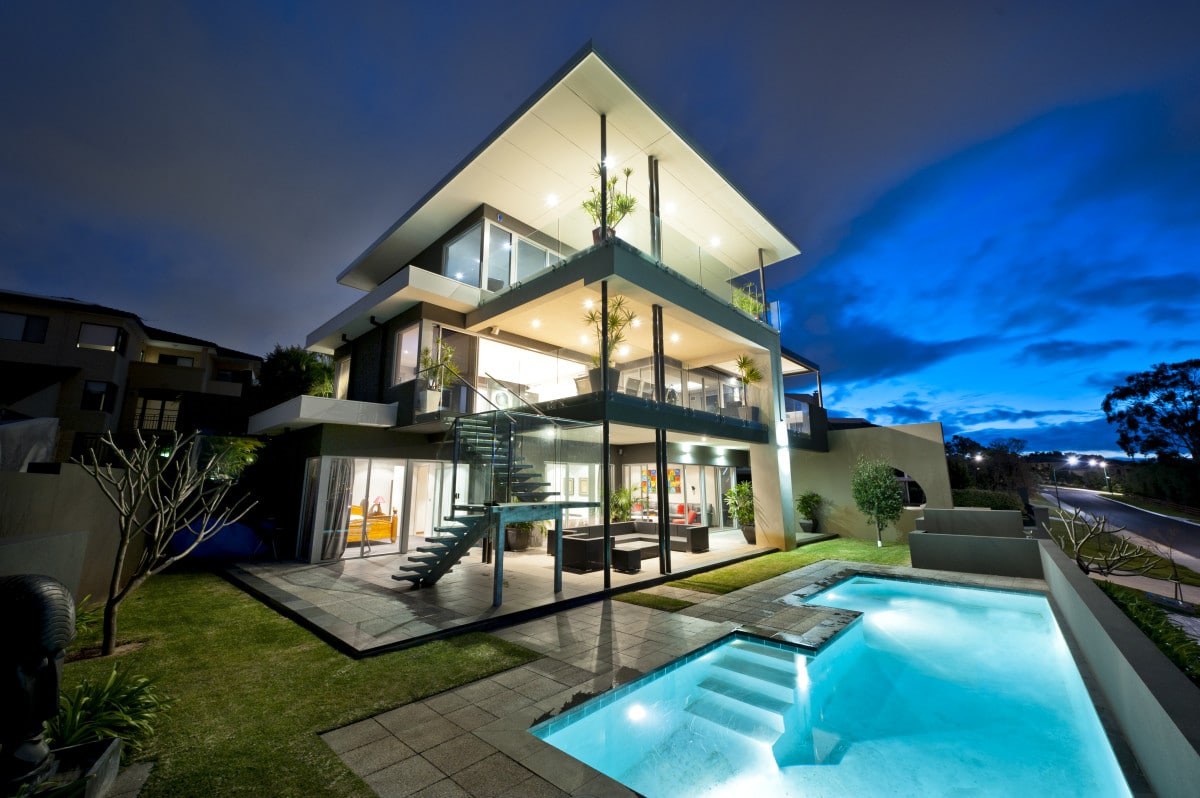
Picture two homes on the same street in Perth’s western suburbs. Both cost well over a million dollars. Both have stone benchtops, high ceilings and a pool out the back. Ten years on, one still feels calm, cool and beautifully resolved. The other has cracked render, a kitchen that never quite worked, and a west-facing living room nobody uses after 2pm in summer.
The difference rarely comes down to the budget. It comes down to who built it. Choosing between luxury home builders in Perth is one of the biggest decisions you’ll make, and the glossy brochures all start to look the same after the third or fourth meeting. Everyone promises quality. Everyone talks about craftsmanship. So how do you tell the builders who really operate at the top of the market from the ones who’ve simply raised their prices?
This guide walks through what to look for, what to ask, and the warning signs worth taking seriously, drawn from how high-end residential building actually works in Western Australia.
What Makes Luxury Builders in Perth Different From Volume Builders?
It’s tempting to assume a luxury builder is just a regular builder with nicer finishes. In practice, the business model is completely different.
Volume builders make their margins through repetition. They offer a set range of floor plans, negotiate bulk pricing on standard materials and move crews from site to site on a tight schedule. That works well for plenty of buyers. But the moment you want to move a wall, change a roofline or respond to an unusual block, the system starts to push back.
Luxury builders in Perth work the other way around. The design starts with you and your land, not a catalogue. That changes almost everything about the process:
- Design is bespoke from the first sketch, with architects or in-house designers responding to your block, orientation and lifestyle
- Trades are chosen for skill, not just price, and many high-end builders work with the same cabinet makers, stonemasons and plasterers for years
- Supervision is closer, with fewer active sites per supervisor and more time spent checking detail
- Material selection is broader, including imported stone, European joinery hardware and specialist glazing that volume builders simply don’t stock
The result is a slower, more considered build. For the right client, that’s precisely the point.
Start With a Builder’s Track Record, Not Their Marketing
Every builder’s website looks impressive. Photography is expensive and well-lit, and a good stylist can make almost any room sing for a single photo shoot. What you really want to know is how their homes perform after the stylist leaves.
Longevity is one of the most reliable signals in this industry. Residential building is a tough business with thin margins, and builders who have been operating for decades have survived interest rate spikes, materials shortages and more than one construction downturn. That kind of history tells you something about financial management, which matters enormously when you’re handing over progress payments on a seven-figure project.
When you’re assessing experienced luxury home builders in Perth, ask to see completed homes that are at least five years old, not just the latest finished project. Ask to speak with past clients directly, ideally ones whose build resembled yours in size or complexity. And pay attention to how the builder talks about problems. Every build has them. A good builder will tell you how they handled a difficult site, a late supplier or a design change halfway through framing. A builder who claims nothing ever goes wrong is either very new or not being straight with you.
Other useful checks include:
- Registration: In WA, anyone carrying out residential building work over a set value must be a registered builder. You can look up a builder’s registration on the state government’s public register in a couple of minutes.
- Home indemnity insurance: For residential work over $20,000, WA builders must take out home indemnity insurance before collecting a deposit. Ask to see the certificate.
- Reviews in context: A handful of glowing reviews is nice, but look for patterns across several years and several platforms.
Luxury Home Builders in Perth Should Understand Local Conditions
Perth is a unique place to build, and a builder who treats it like Sydney or Melbourne will cost you comfort and money over the life of the home.
The climate is the obvious starting point. Long, dry summers and intense afternoon sun mean orientation isn’t a nice-to-have. A well-designed home places living areas to capture northern light in winter while shading glazing from the harsh summer sun, particularly on the west. Eaves, pergolas, external blinds and glazing specification all do heavy lifting here. Coastal homes also need to deal with salt air, which is hard on metal fixings, window frames and some external finishes, and with the afternoon sea breeze, which can either cool a home beautifully or whistle straight through a poorly sealed one.
Then there’s the ground itself. Much of the Perth metro area sits on sand, which is generally kind to builders, but sloping blocks, retaining requirements and areas with clay or limestone change the engineering considerably. Local knowledge of which suburbs tend to throw up surprises can save weeks.
Finally, WA has its own construction habits. Double brick has long been the dominant method here, prized for its thermal mass and durability, though framed and hybrid construction is increasingly common in high-end homes where designers want large spans and cantilevers. A builder who can explain the trade-offs clearly, rather than defaulting to whatever they always do, is a builder who’s thinking about your home specifically.
Ask How They Handle Council and Design Codes
Most residential development in WA is assessed against the Residential Design Codes, often called the R-Codes, alongside each local council’s own planning policies. Setbacks, overshadowing, building height and privacy for neighbours can all shape what’s possible, especially on smaller or irregular blocks in established suburbs. Experienced high-end builders will have dealt with most metro councils many times and will know where a design is likely to need a variation or a neighbour’s sign-off. That foresight keeps approvals moving and avoids redesigns late in the process.
The Questions Worth Asking in Your First Meeting
First meetings tend to be friendly and optimistic. That’s fine, but you’ll learn far more if you steer the conversation toward the practical detail. Here are the questions that tend to reveal the most:
- Who will actually supervise my build, and how many other sites will they be running at the same time?
- What’s included in your pricing and what sits in provisional sums? Provisional sums are allowances for items not yet fully specified, and a quote full of low allowances can look cheap early and become expensive later.
- How do you handle variations? Ask how they’re priced, approved and documented.
- How will you communicate with me during the build? Weekly site meetings, an online portal, a named contact, or all three?
- What happens at handover, and what does the maintenance period cover?
- Can I visit one of your current sites? A live build tells you a lot about tidiness, safety and pride in the work.
Listen for specific answers rather than reassurance. “Don’t worry, we’ll look after you” is pleasant. “Your supervisor will be on site at least three times a week and you’ll get a written update every Friday” is useful.
Red Flags to Watch For
Most builders operating at the top end of the market are professional and capable. Still, there are a few patterns that should give you pause.
Be wary of any builder pushing you to sign quickly, especially with a discount that expires at the end of the week. Luxury homes take months to design properly, and pressure at the contract stage often signals cash-flow pressure behind the scenes.
Watch for vague contracts. Your building contract should be detailed, with clear specifications, a payment schedule tied to construction stages and a defined process for variations. If the builder resists your lawyer reviewing it, walk away.
Pay attention to how they respond to your ideas. A great builder will challenge you, pointing out when a design choice will be expensive to maintain or uncomfortable to live with. But they’ll do it respectfully and explain why. A builder who dismisses every idea that doesn’t fit their usual way of working probably isn’t the right fit for a bespoke project.
And be cautious about quotes that come in dramatically lower than the others. When three builders price a detailed design within a similar range and a fourth comes in far below, it’s rarely because they’ve found a clever efficiency. More often, something has been left out.
Read the Contract as Carefully as You Read the Plans
Clients will happily spend weeks debating the width of a kitchen island, then sign a building contract after a quick skim. It’s an understandable habit, but the contract is where your protection lives, and at this end of the market the sums involved are significant.
A well-drafted contract for a luxury home should leave very little to interpretation. Look for:
- A detailed specification that names brands, models and finishes wherever possible, rather than phrases like “quality tapware” or “premium flooring”
- A clear payment schedule tied to defined construction stages, so you’re paying for work that has actually been completed
- A written variation process explaining how changes are requested, priced, approved and added to the contract sum
- Provisional sums and prime cost items listed separately, with realistic allowances that reflect the standard of home you’re building
- Defined handover and maintenance terms, including how defects are reported and how quickly they’ll be addressed
Have an independent building lawyer review it before you sign. The fee is small relative to the project, and a good lawyer will spot ambiguities you’d never think to question. Reputable builders expect this and won’t be offended. In fact, many prefer it, because a contract both parties understand makes for a smoother build and fewer disagreements down the track.
It’s also worth asking how the builder handles delays caused by weather, supply issues or council. Every long project runs into something unexpected, and knowing in advance how those situations are managed and communicated takes a lot of anxiety out of the process.
Why Design and Build Under One Roof Can Work in Your Favour
Some clients engage an independent architect first, then take the finished drawings to tender. Others prefer a builder who handles design and construction together. Both paths can produce outstanding homes, but it helps to understand the trade-offs.
The traditional architect-then-tender approach gives you a great deal of design freedom and an independent advocate during the build. The downside is that designs are sometimes completed without close input on cost, which can lead to a painful round of value engineering once quotes come back.
An integrated design-and-build approach, of the kind offered by a number of luxury builders in Perth, keeps cost, buildability and design in the same conversation from day one. The designer knows what the construction team can deliver, and the construction team understands the intent behind every detail. For many families, particularly those juggling careers and children, having one team accountable from first sketch to handover takes a lot of stress out of the process.
Whichever route you choose, make sure the people designing your home and the people building it are talking to each other early and often.
Final Thoughts
Choosing between luxury home builders in Perth isn’t really about finding the one with the most beautiful brochure. It’s about finding a team you trust to make hundreds of good decisions on your behalf, many of which you’ll never see once the plaster goes on.
Look for longevity and a track record you can verify. Look for genuine local knowledge of Perth’s climate, soils and councils. Ask detailed questions and expect detailed answers. And give real weight to how a builder makes you feel in those early meetings. If they listen carefully, explain things clearly and aren’t afraid to tell you something you’d rather not hear, those are good signs.
A luxury home should feel as good in its twentieth year as it does on the day you get the keys. The right builder is the one who’s thinking about that twentieth year from the very first conversation.