
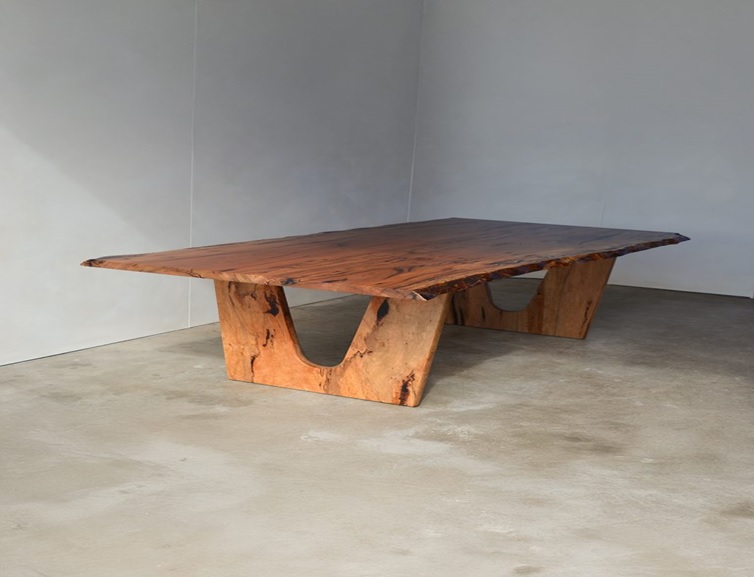
There’s a reason Western Australian timber has earned a reputation that stretches well beyond the state’s borders. Walk into any well-considered home or thoughtfully designed commercial space in Perth and you’ll likely spot it — that rich, warm grain with flashes of pink and amber, the occasional burl swirl, the kind of depth that no veneer or laminate can convincingly fake. That timber is marri, and the furniture crafted from it has become one of the most sought-after investments in Australian home.
Whether you’re furnishing a new build, refreshing a living space, or sourcing statement pieces for a commercial fit-out, marri furniture offers something increasingly rare in a market flooded with flat-pack imports: genuine character, lasting durability, and a direct connection to the Australian landscape. This guide covers everything you need to know — from why marri stands apart as a timber species to how to choose the right pieces and care for them over the decades ahead.
What Makes Marri Timber So Special?
Marri (Corymbia calophylla) is a flowering gum native to south-west Western Australia, growing across the jarrah forests from the Perth hills down through the Margaret River region and beyond. It has been used in furniture making for generations, and its popularity among craftspeople and buyers alike comes down to a handful of properties that are genuinely difficult to replicate.
First, density. Marri is a hard, heavy timber — typically around 900 kilograms per cubic metre — which translates directly into furniture that feels substantial and performs over a long timeframe. A well-made marri dining table won’t rack, warp, or show wear the way softer imported timbers often do after a few years of daily use.
Second, its finish. Marri responds beautifully to both oil and lacquer finishes, developing a warmth and lustre that deepens with age rather than dulling. The natural oils within the timber give it a degree of moisture resistance that makes it practical for kitchens, dining rooms, and even covered outdoor settings.
Third, and perhaps most striking, is its visual character. Marri contains natural gum pockets — small resin-filled cavities that appear as pink or red streaks and spots throughout the grain. Rather than being treated as defects, experienced furniture makers work with these features, positioning them to add movement and individuality to each piece. No two slabs of marri are identical. That’s not a marketing line — it’s simply the nature of the timber.
Marri Furniture Perth — A Natural Fit for the WA Lifestyle
There’s an argument to be made that no timber is better matched to the Western Australian home than marri. The timber comes from here. It grows in the same landscape that most Perth homeowners look out at when they drive south on a long weekend, the same jarrah and marri forests that define the south-west. Bringing it into your home is, in a sense, bringing that landscape indoors.
Practically speaking, marri furniture suits the Perth climate well. The long, dry summers and mild winters that define WA’s weather don’t create the same expansion and contraction cycles that challenge furniture in more humid parts of the country. With proper finishing and basic maintenance, a marri piece in a Perth home should hold its form and finish for decades with minimal intervention.
The lifestyle here also lends itself to the kinds of pieces marri does best: dining tables designed for long Sunday lunches, solid chairs built to accommodate years of daily use, sideboards and entertainment units that anchor open-plan living spaces without competing with them. Marri timber furniture made in WA is built with these uses in mind — and the craftsmanship reflects that local understanding.
Beyond the practical, there’s a cultural dimension worth acknowledging. Perth has, over the last decade, developed a genuinely strong local design and making culture. Buying locally crafted marri furniture is a way of participating in that — supporting skilled tradespeople, keeping quality manufacturing in the state, and investing in pieces that have a real provenance rather than a container number.
Choosing the Right Marri Pieces for Your Home
Marri is a versatile timber, well-suited to everything from large formal dining settings to compact bedroom furniture. That said, some pieces lend themselves particularly well to the timber’s strengths.
The Marri Dining Table — A Centrepiece Worth Investing In
The dining table is the most important piece of furniture in most family homes. It’s where meals are shared, homework is done, projects are spread out, and conversations happen. It needs to be functional enough for daily use and beautiful enough to anchor the room visually.
A marri dining table delivers on both counts in a way that few other materials can match. The density of the timber means it won’t show the micro-scratches and dents that accumulate on softer surfaces over time. A good oil finish is easy to refresh every year or two, keeping the table looking its best with minimal effort. And the natural variation in the timber means that the occasional mark or patina that develops with use blends into the character of the piece rather than standing out as damage.
When choosing a marri dining table, consider the slab width relative to your space. Wider slabs — particularly live-edge tables where the natural edge of the timber is retained — create a more dramatic visual statement. Narrower, more formal tables suit dining rooms where the surrounding design is already busy. Think about leg style too: turned timber legs give a more traditional feel, while steel or blackened metal legs create a contemporary contrast that works well with marri’s warmth.
Marri Dining Chairs — Completing the Set
A common mistake in dining settings is to invest in an exceptional table and then undermine it with chairs that don’t match in quality or proportion. Timber dining chairs are a lifetime investment, and marri chairs bring the same durability and character to the seating as the table brings to the surface.
Well-crafted marri dining chairs are designed to be comfortable over a long meal, which means attention to seat depth, back angle, and the ergonomics of the form — not just the aesthetics. Upholstered seats in natural fabrics complement marri’s warmth particularly well, while a fully timber chair works beautifully in more casual or coastal settings.
Mixing marri chairs with a marri table doesn’t mean everything needs to match exactly. Variation in grain and colour between chairs adds to the handmade quality of a timber setting. What matters is consistency of finish and scale, so the pieces feel like they belong together.
How Australian Made Timber Furniture Supports Local Craftspeople
There’s a broader story behind a piece of marri furniture that’s worth understanding. When you purchase Australian made timber furniture crafted from locally sourced timber, you’re participating in a supply chain that supports multiple layers of skilled work: the sawmill operators who process the timber, the furniture makers who design and build the pieces, and the finishing specialists who prepare them for long-term use.
That chain has been under pressure for decades as cheap imported furniture has captured a significant share of the market. The trade-off, which isn’t always obvious at the point of purchase, is quality and longevity. A piece of imported furniture that costs a fraction of the equivalent Australian-made item often needs to be replaced in five to ten years. A well-made marri piece, properly cared for, should last fifty years or more — which changes the economics considerably when you calculate cost per year of use.
There’s also the question of environmental impact. Marri used in quality furniture is typically sourced from sustainably managed forests or salvaged from land clearing, and the short supply chain — from WA forest to WA workshop to WA home — carries a significantly lower transport footprint than furniture shipped from overseas. For buyers who weigh environmental considerations in their purchasing decisions, this is a meaningful advantage.
Conclusion
Marri furniture occupies a category of its own in the Australian market — not because of marketing or trend cycles, but because the timber itself earns that position. Its density, character, and connection to the WA landscape give it a permanence and authenticity that simply can’t be replicated in a factory.
For homeowners looking to invest in timber furniture pieces that will anchor their spaces for decades, or for commercial operators seeking furniture that can withstand heavy use while making a genuine design statement, marri is one of the most compelling options available. The key is choosing pieces that are well-crafted from quality timber — because with a material this good, the craftsmanship is what determines whether the result is ordinary or exceptional.
In an era of disposable furniture and short product cycles, there’s something quietly radical about choosing a dining table or a set of chairs that you genuinely expect to pass on to the next generation. Marri furniture, made properly, is exactly that kind of investment.


