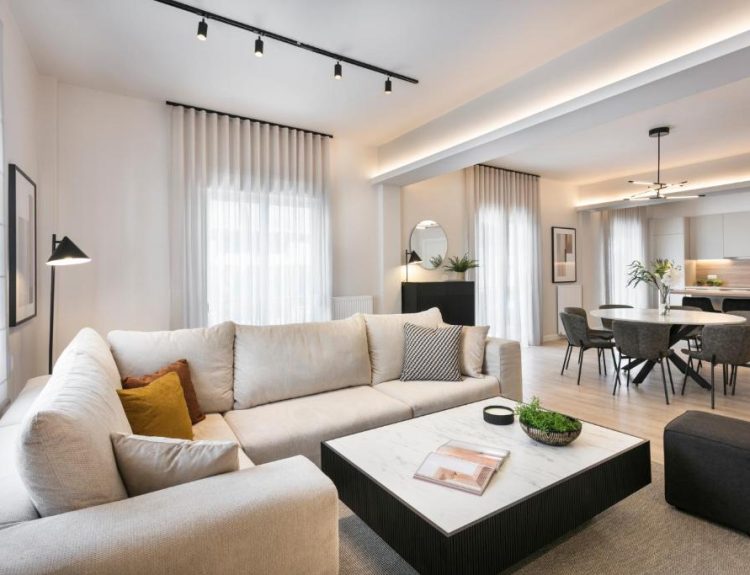
Living in a studio apartment offers a unique blend of urban convenience and minimalist charm. However, when your living room, bedroom, and kitchen all share the same four walls, finding a way to integrate a professional environment can be a significant challenge. The rise of remote work has transformed the home office from a luxury into a necessity, yet the physical constraints of a studio often lead to “bed-working” or taking calls from a kitchen stool.
Creating a dedicated workspace in a small footprint requires a shift in perspective. It is not merely about finding a spot for a laptop; it is about psychological zoning, ergonomic integrity, and aesthetic harmony. By employing strategic layouts and smart furniture choices, you can establish a boundary between your professional responsibilities and your personal relaxation, ensuring that your home remains a sanctuary even after a long workday.
Define Your Zoning Strategy
The primary obstacle in a studio apartment is the lack of physical barriers. To combat this, you must use “zoning,” a design technique that visually and physically separates different functions within a single room.
One of the most effective ways to zone a workspace is through the use of room dividers. A tall, open-backed bookshelf is a dual-purpose solution that provides storage for office supplies while acting as a porous wall. Because it is open-backed, it allows light to pass through, preventing the room from feeling cramped or dark. Alternatively, folding screens or hanging fabric panels can be used to tuck the desk away at night. This visual “closing of the door” is crucial for mental health, as it signals to your brain that the workday has officially ended.
Another subtle zoning method involves the use of area rugs. Placing a small, distinct rug underneath your desk and chair creates a “territory” for work. Even without walls, the shift in flooring texture and color tells your subconscious that you have entered a different functional area.
Choose Furniture That Scales
In a studio apartment, every inch of floor space is premium real estate. Standard executive desks are often too bulky and will dominate the room’s visual weight. Instead, look for furniture that scales down without sacrificing utility.
-
Wall-Mounted Desks: Often called “floating desks,” these are secured directly to the wall and lack legs, which keeps the floor clear and maintains an airy feel. Some models even fold up against the wall when not in use, completely disappearing from view.
-
Ladder Desks: These utilize vertical space. They have a narrow footprint but offer multiple shelves above the desk surface for books, printers, or decorative items.
-
Secretary Desks: A classic choice for small spaces, these units feature a flip-down top that serves as a writing surface. When the workday is done, you simply fold the top up, hiding your laptop and paperwork from sight.
-
Corner Desks: Often, the corners of a studio go unused. A triangular corner desk can turn a dead zone into a productive hub without obstructing the flow of the room.
Optimize Lighting for Focus and Mood
Lighting is frequently overlooked in small-space offices, yet it is vital for preventing eye strain and maintaining energy levels. In a studio, you likely have one or two main light sources that are designed for general living, not task-oriented work.
Layered lighting is the solution. Your workspace should ideally be positioned near a window to take advantage of natural light, which is proven to boost productivity and mood. However, you must manage glare on your screen with sheer curtains or adjustable blinds.
For evening work, a dedicated desk lamp with an adjustable arm is essential. Choose a bulb with a “cool white” temperature (around 4000K to 5000K) for your workspace, as this mimics daylight and aids concentration. This should contrast with the “warm” lighting used in your sleeping area, further reinforcing the psychological divide between work and rest.
Maintain Ergonomic Health in Small Spaces
It is tempting to use a dining chair or a folding stool to save space, but if you are working eight hours a day, ergonomics cannot be compromised. Chronic back pain and repetitive strain injuries are common consequences of a poorly designed home office.
If a full-sized ergonomic office chair feels too corporate for your living space, look for “task chairs” that offer lumbar support but feature modern silhouettes and residential fabrics. If space is truly at a minimum, consider a height-adjustable standing desk converter. These allow you to turn any surface, including a kitchen counter or a sturdy dresser, into a standing workstation, allowing you to alternate positions throughout the day.
Keep your monitor at eye level. In a studio, you might be using a laptop exclusively. Using a laptop stand combined with an external keyboard and mouse allows you to sit up straight rather than slouching over a low screen. This setup is also easier to pack away than a massive desktop computer.
Utilize Vertical Storage Solutions
Clutter is the enemy of the studio apartment. When your desk is messy, your entire home feels messy. Since you cannot expand horizontally, you must look upward.
Wall-organized systems, such as pegboards or grid panels, are excellent for small offices. They allow you to hang scissors, headphones, notebooks, and even small potted plants, keeping the desk surface clear for your computer and coffee. Floating shelves installed above the desk can hold reference books or filing boxes, ensuring that everything you need is within arm’s reach but out of the way.
For items that are not aesthetically pleasing, such as routers, cables, and printers, use decorative bins or a small rolling cart. A rolling cart is particularly useful in a studio because it can be tucked into a closet or moved to the side when you have guests over.
The Psychological Impact of a Dedicated Space
The most significant benefit of a dedicated workspace in a studio is the preservation of the “home” feeling. When you work from your bed or sofa, your brain begins to associate those areas with stress and deadlines, making it harder to fall asleep or relax.
By creating a specific “work-only” zone, you establish a ritual. Entering that space primes your mind for focus. Conversely, leaving that physical spot allows you to “leave work,” even if you are only moving three feet away to your bed. This boundary is the key to long-term success when living and working in a single-room environment.
Frequently Asked Questions
How can I hide my workspace when I am not working?
The most effective way to hide a workspace is by using a secretary desk or a “cloffice” (a closet turned into an office). If those aren’t options, a decorative folding screen or a room-dividing curtain can be pulled across the desk area in the evening to completely obscure your work equipment from view.
What should I do if my studio has very little natural light?
If natural light is scarce, invest in high-quality LED task lighting that offers adjustable color temperatures. Use a “daylight” setting during work hours to keep your circadian rhythm on track. Additionally, placing a mirror opposite your desk can help bounce what little light you have around the workspace.
Can I use my kitchen table as a permanent workspace?
While possible, it is not recommended for long-term use. Kitchen tables and chairs are rarely at the correct ergonomic height for computer work. If you must use the kitchen table, use a seat cushion for support and a laptop riser to ensure your screen is at eye level, and make sure to clear your work items away during meals to maintain a work-life boundary.
How do I manage messy power cords in an open studio layout?
Cable management is essential for aesthetics in a small space. Use cable sleeves or boxes to bundle cords together. You can also use adhesive cable clips to run cords along the back of desk legs or the underside of the desk surface, keeping them off the floor and out of sight.
Is it better to face the wall or the room when placing a desk?
Facing a wall can minimize distractions, which is often helpful in a studio where your bed or TV might tempt you. However, if facing a wall feels too claustrophobic, try placing the desk perpendicular to the wall or facing a window. Facing into the room can make the space feel larger but may require more discipline to stay focused.
What are some ways to dampen sound for video calls in a studio?
In an open studio, sound can echo off hard surfaces. To improve audio quality and reduce background noise, incorporate soft materials like area rugs, heavy curtains, and plush furniture. You can also add acoustic foam panels to the wall behind your monitor, which can be covered in fabric to match your decor.
How do I choose a desk that does not look like office furniture?
Look for “writing desks” or “console tables” instead of “computer desks.” These often feature wood finishes, slender legs, and minimal hardware that blend seamlessly with residential furniture. Choosing a desk in the same material or color as your other furniture helps it disappear into the overall design of the room.