

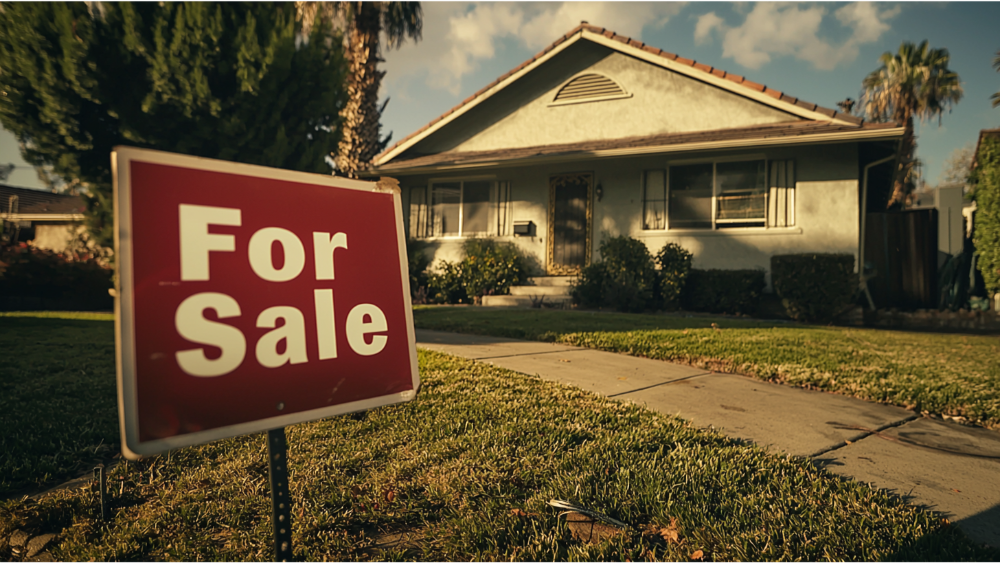
Selling a home is one of the most significant financial transactions a person will undertake in their lifetime. It is a process that combines emotional attachment with cold, hard market data, requiring a delicate balance of preparation, timing, and negotiation. Whether you are a first-time seller or a seasoned real estate investor, the goal remains the same: to sell the property quickly for the highest possible price with the fewest complications. In the modern real estate landscape, achieving this requires more than just putting a sign in the front yard. It demands a comprehensive understanding of local market trends, buyer psychology, and the digital tools that drive home searches today.
The journey of a house sale begins long before the first open house. It starts with a shift in mindset, transitioning from viewing the property as a personal sanctuary to viewing it as a product on a shelf. This detachment allows sellers to make objective decisions about repairs, staging, and pricing that will appeal to the widest pool of potential buyers. By following a structured approach, homeowners can navigate the complexities of inspections, appraisals, and legal disclosures while maintaining control over the outcome.
Preparing the Property for the Market
First impressions are permanent in real estate. The moment a potential buyer pulls up to the curb or clicks on a listing thumbnail, they are making a judgment about the value and condition of the home. Therefore, the preparation phase is the most critical step in ensuring a successful sale.
Curb appeal is the first factor to address. This involves more than just mowing the lawn; it includes pressure washing the driveway, painting the front door, and ensuring the entryway is well-lit and welcoming. Once inside, the focus should shift to decluttering and depersonalizing. Buyers need to be able to envision their own furniture and lives within the space. Removing family photos, excessive knick-knacks, and bulky furniture makes rooms appear larger and more versatile.
A pre-listing inspection is another strategy that can save a sale from collapsing later. By hiring a professional inspector before the house hits the market, sellers can identify and fix major issues such as roof leaks, electrical problems, or plumbing leaks. Addressing these proactively prevents buyers from asking for massive price concessions during the closing process and builds a sense of trust between both parties.
The Science of Strategic Pricing
Pricing a home correctly is a nuanced art. If the price is too high, the listing will languish on the market, eventually becoming “stale” and leading buyers to wonder if something is wrong with the property. If the price is too low, the seller risks leaving significant money on the table.
To determine the ideal listing price, a Comparative Market Analysis is essential. This involves looking at “comps,” which are similar homes in the immediate area that have sold within the last three to six months. It is important to look at the actual sale price rather than the asking price of current listings, as the sale price represents what the market was truly willing to pay.
In a seller’s market, some homeowners choose to price slightly below market value to spark a bidding war. This can drive the final price well above the initial ask. Conversely, in a buyer’s market, the price must be aggressive and backed by a home in pristine condition to stand out against the competition.
High-Impact Marketing and Digital Presence
In today’s market, the first showing happens online. Professional photography is non-negotiable. Listings with high-quality, wide-angle photos and plenty of natural light receive significantly more clicks than those with dark, blurry smartphone pictures.
Beyond photos, modern marketing includes several high-tech layers:
-
Virtual Tours: 3D walkthroughs allow out-of-state buyers or busy locals to tour the home from their computer, narrowing down the field to only the most serious candidates.
-
Video Walkthroughs: Short, cinematic videos can highlight the flow of the house and the lifestyle of the neighborhood better than static images.
-
Social Media Exposure: Targeted ads on platforms like Facebook and Instagram can put your home in front of people who are actively searching for real estate in your specific zip code.
-
Staging: Professional staging can transform a vacant or dated house into an aspirational home. Statistics often show that staged homes sell faster and for more money than non-staged homes.
Navigating the Negotiation and Closing Process
Once an offer is received, the real work begins. An offer is more than just the purchase price; it includes contingencies, closing dates, and earnest money deposits. Contingencies are clauses that allow the buyer to back out of the deal if certain conditions are not met, such as a failed inspection, an inability to secure financing, or the buyer’s failure to sell their current home.
A strong seller will look for “clean” offers with fewer contingencies. Cash offers are particularly attractive because they eliminate the risk of a bank’s appraisal coming in low or a mortgage being denied at the last minute. During negotiations, it is important to remain flexible but firm on your bottom line. Often, a buyer may ask for repairs after their inspection. Instead of performing the repairs yourself, which can lead to disputes over quality, it is frequently better to offer a credit at closing, allowing the buyer to handle the work to their own satisfaction after they move in.
The closing process involves a mountain of paperwork, including title searches, deed transfers, and tax filings. Working with an experienced real estate attorney or a reputable escrow company ensures that all legal requirements are met and that the proceeds from the sale are distributed correctly.
The Emotional Aspect of Selling
While the financial side of a house sale is paramount, the emotional toll should not be underestimated. Selling the home where you raised children or reached major life milestones can be draining. It is common to feel a sense of loss or frustration when buyers critique the home during showings.
Maintaining a professional distance is the best way to manage this stress. Relying on a trusted real estate agent to handle communication and filtering feedback can help keep the process moving forward without it becoming a personal burden. Remember that the end goal is a successful transition to your next chapter, and the sale is simply the vehicle to get you there.
Frequently Asked Questions
What is the best time of year to list a house for sale?
Traditionally, spring is considered the peak home-buying season. Families often want to move during the summer months when children are out of school. However, this also means more competition from other sellers. Listing in the late winter can sometimes be advantageous because there are fewer homes on the market, making your property stand out to highly motivated buyers.
Should I sell my current home before buying a new one?
This depends on your financial situation. Selling first provides you with the exact amount of cash you have for your next purchase and eliminates the risk of paying two mortgages. However, it may require you to find temporary housing. Buying first is more convenient but often requires a bridge loan or a “contingency offer,” which can be less attractive to the person selling the home you want.
What are the most common reasons a house sale falls through?
The most frequent culprits are financing issues, where the buyer’s loan is denied at the last minute, and home inspection “deal-breakers” where a major structural or environmental issue is discovered. Additionally, a low appraisal can stall a sale if the bank decides the home is worth less than the agreed-upon purchase price, leaving a gap that someone must pay in cash.
Do I have to disclose a death in the house to potential buyers?
Laws regarding death disclosures vary significantly by state. In many states, you are only required to disclose a death if it was related to the condition of the property or if it was a violent crime. Natural deaths or suicides are often not required to be disclosed unless the buyer specifically asks. Always check your local state statutes or consult with a real estate attorney.
How much does it actually cost to sell a house?
Sellers often forget that the final sale price is not what they take home. Costs include real estate agent commissions (typically 5 to 6 percent), closing costs, title insurance, attorney fees, and potential capital gains taxes. On average, you should expect to pay between 8 and 10 percent of the sale price in various fees and costs.
Can I sell my house “as-is” to avoid making repairs?
Yes, you can list a house as-is, which tells buyers that you will not make any repairs or offer credits for issues found. This is common for fixer-uppers or inherited properties. While this simplifies the process, it usually results in a lower sale price, as buyers will build the estimated cost of repairs into their lower offer.
Is it worth it to sell a house without a real estate agent?
Known as “For Sale By Owner” or FSBO, this path can save you the listing agent’s commission. However, it requires you to handle all the marketing, showings, legal disclosures, and negotiations yourself. Statistics show that FSBO homes often sell for less than agent-represented homes, which sometimes offsets the savings on the commission.
